Getting a new window in IL made to your specifications starts long before manufacturing. It starts with a tape measure, a notepad, and about fifteen minutes per opening. Measure correctly, and the window installation goes smoothly. Measure wrong, and you’re looking at gaps, drafts, or a unit that simply won’t fit the frame. This guide covers everything you need to know: terminology, tools, step-by-step process, window type variations, and the mistakes that catch homeowners off guard.
Key Terms to Know Before You Start
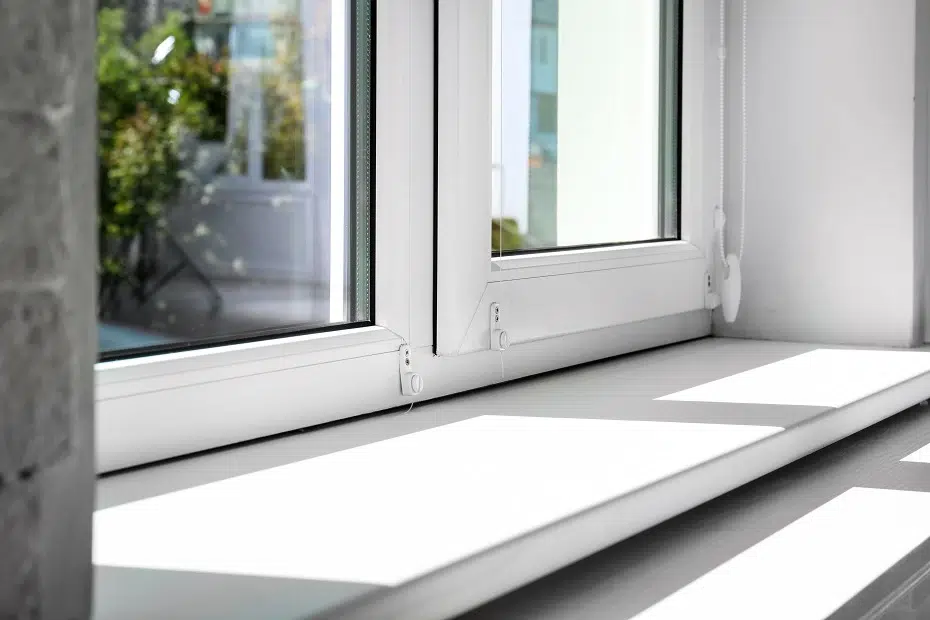
Window manufacturers work with specific terminology, and using the right terms prevents miscommunication when placing an order.
- Rough opening is the framed hole in the wall structure, built by the carpenter. It’s larger than the window unit itself to allow for leveling and shimming.
- Frame opening (also called the daylight opening) is the interior dimensions of the existing window frame, measured from jamb to jamb and from sill to head. For replacement windows, this is the measurement you’ll use most often.
- Jamb refers to the vertical sides of the window frame. Head is the horizontal piece at the top. Sill is the horizontal piece at the bottom.
- Frame depth is the distance from the interior face of the window frame to the exterior face. Standard replacement windows require at least 3¼ inches of depth to seat correctly.
Tools You’ll Need
You don’t need specialized equipment, but the tools matter. A cloth tape measure or a cheap retractable can introduce small errors that compound quickly.
- Steel tape measure, at least 25 feet
- Notepad or phone for recording measurements
- Pencil
- 4-foot level (to check square and plumb)
- Flashlight for basement or poorly lit openings
- Ladder for upper-floor windows
Write down every measurement as you take it. Don’t rely on memory, even for a single window.
Step 1: Measure the Width
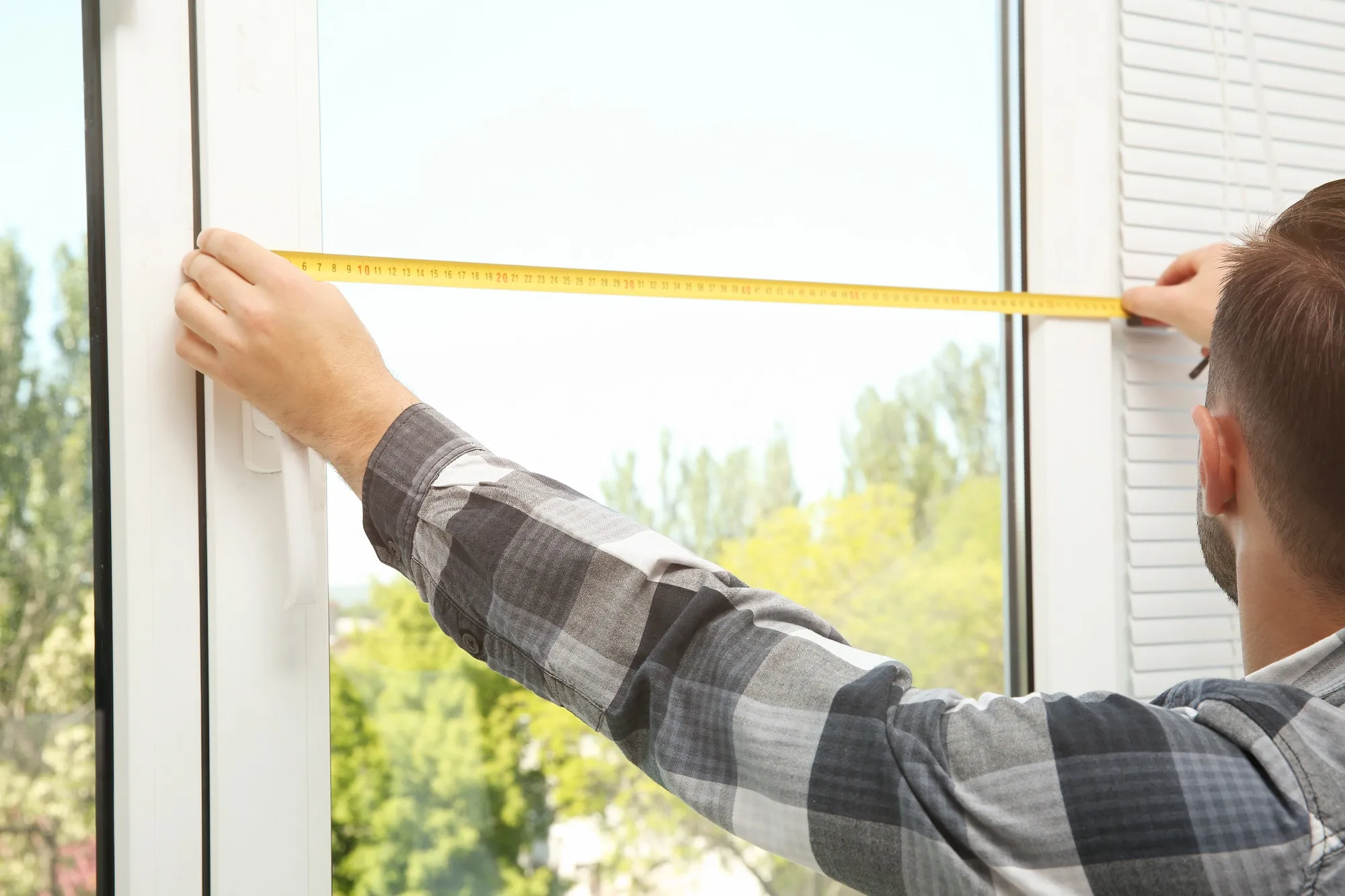
Work from inside the house. Place the tape measure between the two vertical jambs and record the distance at three points: near the top, at the middle, and near the bottom.
Frames in older homes are rarely perfectly rectangular. Temperature changes, settling, and humidity cycles cause wood frames to shift over decades. Taking three measurements accounts for this. Use the smallest of the three as your working width. This ensures the window unit will clear the narrowest point of the opening.
Step 2: Measure the Height
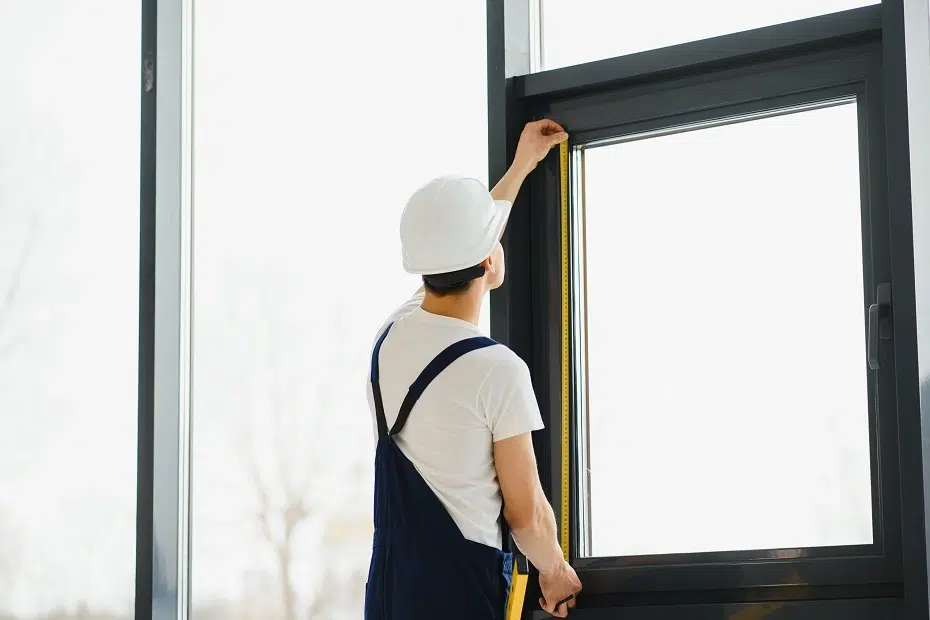
Measure from the sill to the head at three points: left side, center, and right side of the opening. Again, use the smallest of the three as your working height.
Check the sill carefully before recording. Window sills collect paint buildup, warping, and debris over time. If the sill isn’t flat, your height measurement may be inconsistent. Clear any obstructions before measuring.
Step 3: Measure the Depth
Place the tape measure from the interior face of the frame to the exterior face. Standard replacement windows need a minimum of 3¼ inches of frame depth. If your opening is shallower than that, you’ll need to discuss options with your window manufacturer before ordering.
Depth is the most frequently skipped measurement and one of the more consequential ones. A unit that doesn’t have enough depth to seat properly will either bow outward or require frame modification at installation.
Step 4: Check for Square
A window frame that looks square often isn’t. To verify, measure diagonally from the top-left corner to the bottom-right corner, then from the top-right corner to the bottom-left corner. If both diagonal measurements match, the frame is square. If they differ by more than ¼ inch, note this before ordering.
Out-of-square frames don’t necessarily prevent a replacement window from being installed, but they affect how the unit is manufactured and shimmed. Your installer needs to know about this upfront.
If you’d rather skip the tape measure, Aurora Windows & Doors can visit your home, document every opening, and submit the specifications directly to production so nothing gets lost in translation.
or call us(847)-582-1101
Measuring Different Window Types
The core process is the same across all window types, but there are specific considerations for each.
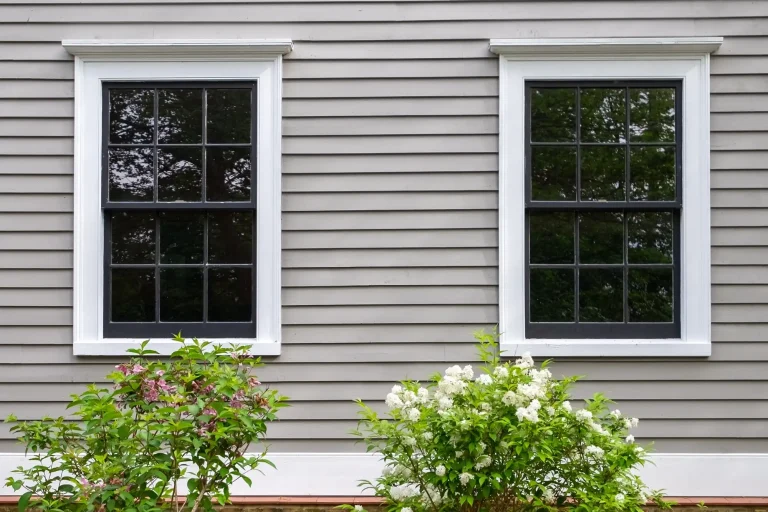
- Double-hung windows are the most straightforward to measure. Both sashes operate independently, so there are no track widths or hardware projections that affect the frame measurement.
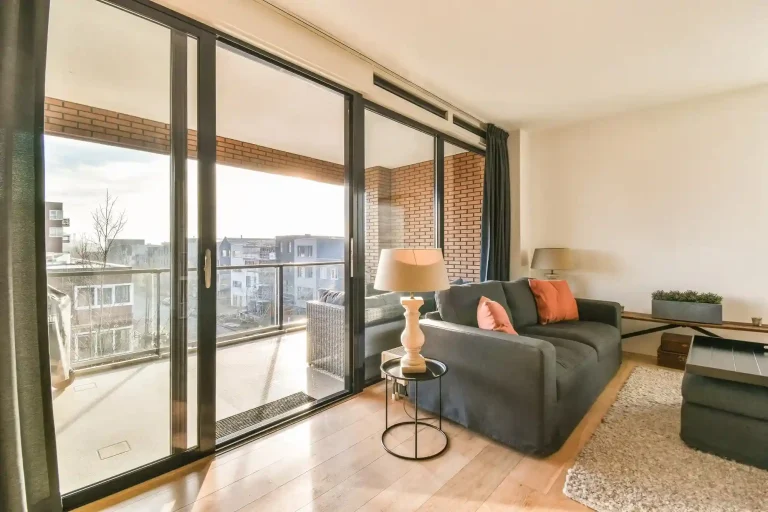
- Sliding windows move horizontally along a track. Measure the frame opening as usual, but confirm the track depth as well, since replacement tracks need to align with the existing frame construction.
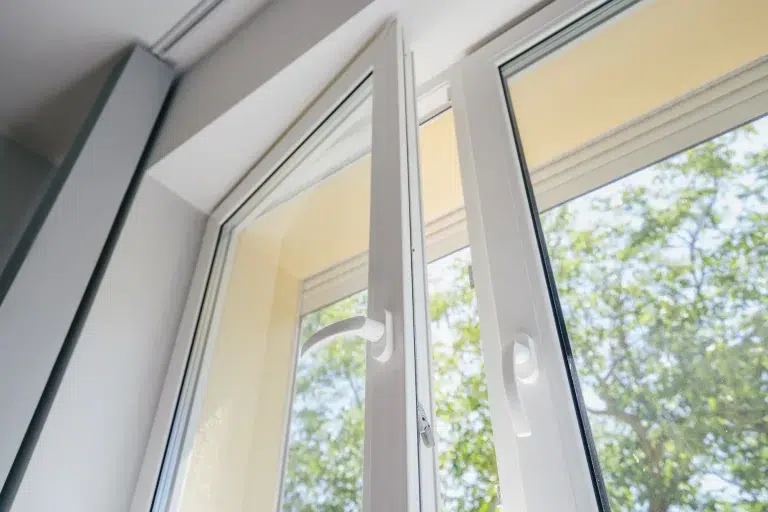
- Tilt and turn windows have a European-style mechanism that operates on both axes. These are almost always custom-manufactured to exact dimensions, so precision matters more than with standard units. Measure all three points for width and height, and note whether the existing frame has any hardware projections that would reduce the available opening.
- Picture windows are fixed and don’t open. They’re measured the same way, but because there’s no hardware to account for, the glass area relative to the frame is larger. Accurate depth measurement is important here since picture windows are often larger and heavier than operable units.
- Bay and bow windows require measurements at each panel angle, not just the overall width. These are complex configurations that typically require a site visit from the manufacturer or installer before ordering.
- Egress windows must meet Illinois code requirements for minimum opening size. The net clear opening (the actual space available when the window is fully open) must be at least 5.7 square feet for basement sleeping areas, with a minimum opening height of 24 inches and minimum opening width of 20 inches. Measure what you have and compare it to code before ordering.
- Skylights require roof pitch measurements in addition to the standard frame dimensions. The pitch affects how the unit sits and how flashing is applied.
Measuring Custom and Odd-Shaped Windows
Arched, circular, and angled windows require a more detailed approach.
- For arched windows, measure the width at the widest point and the height from the sill to the highest point of the arch. Then measure the height of the rectangular portion below the arch separately. Sketch the shape with dimensions noted at multiple points.
- For circular or oval windows, measure the diameter at multiple angles to confirm the opening is actually round and not slightly oval. A true circle measures the same in every direction. If the measurements vary, note the minimum diameter.
- For trapezoid or angled windows common in vaulted ceiling applications, measure both the top width and the bottom width separately, plus the height on each side.
In all cases, diagonal measurements help confirm the actual geometry of the opening. Sketch what you see rather than assuming symmetry.
Common Measurement Mistakes
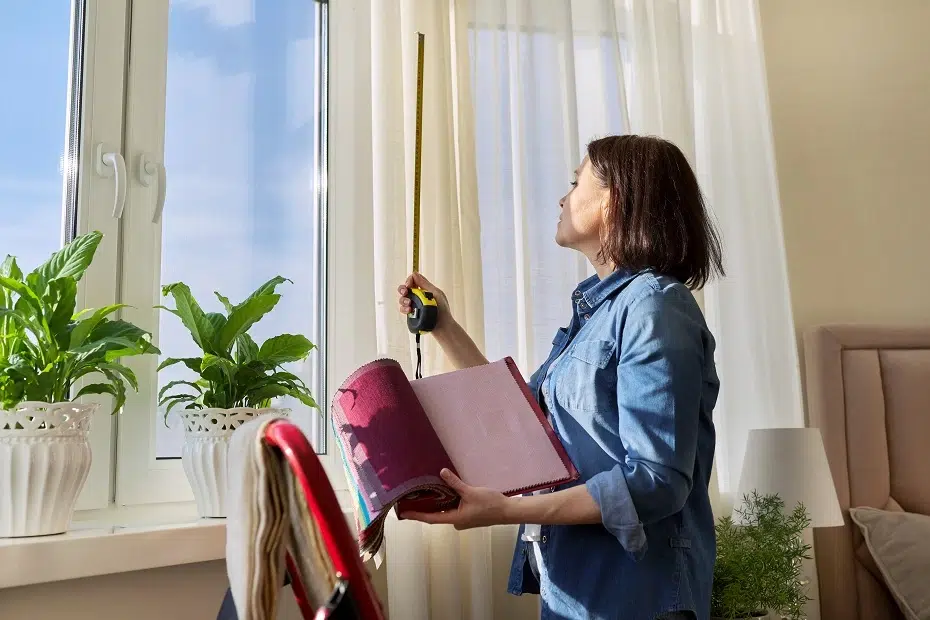
Even careful homeowners run into these consistently.
- Measuring only once per dimension. A single measurement at the center of the frame misses what’s happening at the edges. Always take three readings.
- Measuring from the outside. Exterior measurements include the trim and casing, which aren’t part of the frame opening. Always measure from inside the house.
- Rounding prematurely. Record the exact measurement in fractions of an inch. Round only when the manufacturer’s order form asks you to.
- Skipping the depth check. A window that fits width and height but doesn’t have enough frame depth will cause problems at installation.
- Assuming all windows in a home are the same size. In homes built before standardized window sizing, each opening is often slightly different. Measure every window individually before ordering.
When to Call a Professional
Self-measurement works well for straightforward rectangular openings in good condition. There are situations where a professional site visit is worth scheduling before placing an order.
If the frame is visibly damaged, rotted, or has been modified previously, the measurements may not reflect what’s actually usable. If the opening is non-rectangular, large, or structurally significant (like an egress window in a basement bedroom), having a professional confirm the dimensions protects both the order and the installation. Any window requiring permits in Illinois, including egress windows and certain large replacement projects, benefits from professional measurement and documentation as part of the permit application.
Get It Right the First Time with Aurora Windows & Doors
Ordering a custom window starts with accurate measurements, and even small errors create real problems. Aurora Windows & Doors offers professional measurement assistance for Illinois homeowners who want to get the sizing right before placing an order. Contact us to schedule a consultation and we’ll make sure your replacement windows are manufactured to exactly what your openings require.

Not Sure Your Measurements Are Right?
Aurora Windows & Doors offers professional measurement consultations for Illinois homeowners, so your custom windows are ordered to the exact dimensions your openings require.